Back pain is one of the most common health concerns among adults. In many cases, it improves with rest, exercise, or simple pain relief measures. However, when severe back pain appears suddenly without a major injury, it should never be ignored.
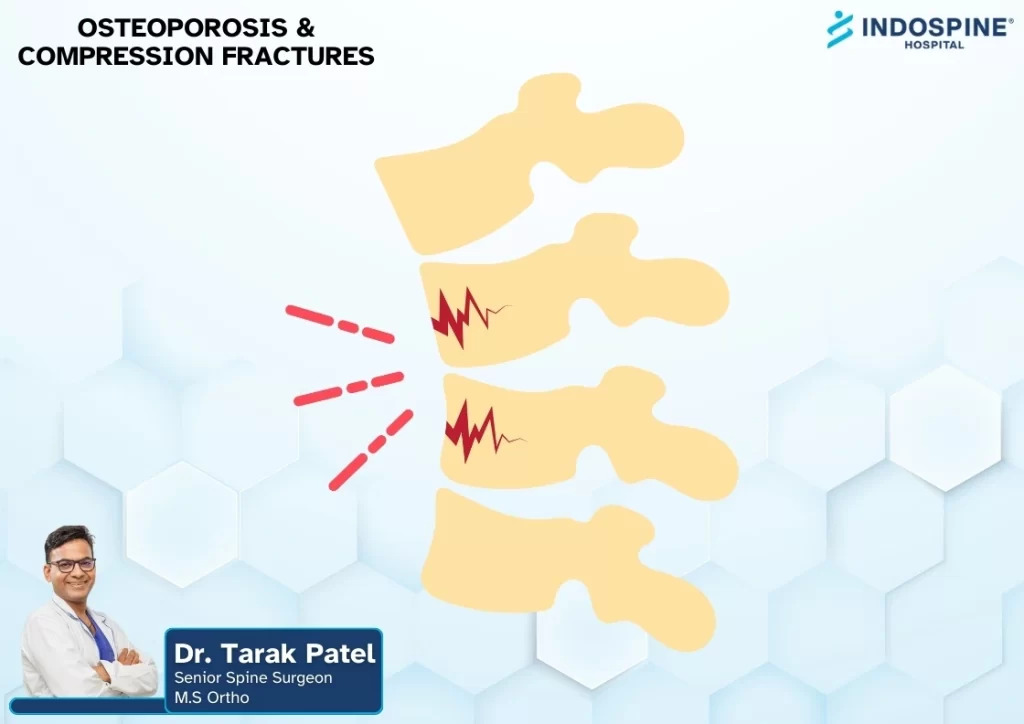
For people with osteoporosis, sudden back pain can be a warning sign of a vertebral compression fracture. These fractures occur when weakened spinal bones collapse under normal body weight or after a minor fall, lifting a light object, or even coughing.
Many people mistake the pain for muscle strain and delay treatment. Unfortunately, untreated compression fractures can lead to chronic pain, reduced mobility, loss of height, and permanent spinal deformity.
Early diagnosis and appropriate osteoporosis compression fracture treatment can relieve pain, stabilize the spine, and help prevent future fractures.
What Is an Osteoporosis Compression Fracture?
An osteoporosis compression fracture is a small collapse of one or more vertebrae in the spine. Unlike fractures caused by high-impact accidents, these injuries often happen during everyday activities because osteoporosis weakens the bones over time.
The spine supports the body's weight throughout the day. As bone density decreases, the vertebrae become fragile and unable to handle normal stress. Eventually, even simple movements can cause a fracture.
Compression fractures most commonly affect the middle and lower back.
Some fractures develop suddenly with severe pain, while others progress slowly and are discovered only after changes in posture or height become noticeable.
Without treatment, multiple fractures may occur, resulting in a curved spine, poor balance, and difficulty performing daily activities.
Who Is Most at Risk?
Although anyone can develop osteoporosis, certain individuals have a much higher risk of compression fractures.
Risk factors include:
- Women after menopause
- Adults over 65 years
- Previous osteoporosis-related fractures
- Family history of osteoporosis
- Long-term corticosteroid use
- Calcium and Vitamin D deficiency
- Smoking
- Excessive alcohol consumption
- Low body weight
- Lack of regular physical activity
People with these risk factors should undergo regular bone density screening and consult a spine specialist if they experience sudden back pain.
Signs and Symptoms You Should Never Ignore
The symptoms of a compression fracture may appear immediately or gradually worsen over several days.
Common warning signs include:
- Sudden, severe back pain
- Pain that increases while standing or walking
- Pain that improves when lying down
- Loss of height
- Stooped posture
- Limited spinal movement
- Difficulty bending or twisting
- Muscle fatigue caused by changes in posture
If back pain develops after a minor fall or simple daily activity, medical evaluation is essential.
Seek emergency care if back pain is accompanied by leg weakness, numbness, difficulty walking, or loss of bladder or bowel control, as these symptoms may indicate nerve compression.
How Is an Osteoporosis Compression Fracture Diagnosed?
A doctor begins with a detailed medical history and physical examination.
The diagnosis is confirmed using imaging tests such as:
- X-rays to identify collapsed vertebrae
- MRI scans to determine whether the fracture is new or old
- CT scans for detailed bone evaluation
- Bone Mineral Density (DEXA) scan to assess osteoporosis
Blood tests may also be recommended to identify nutritional deficiencies or other conditions affecting bone health.
An accurate diagnosis helps determine the most appropriate treatment plan.
Osteoporosis Compression Fracture Treatment
Treatment depends on the severity of the fracture, pain level, overall health, and the stability of the spine.
Most stable compression fractures improve without surgery.
Conservative treatment may include:
Non-Surgical Treatment
- Short-term rest
- Pain-relieving medications
- Anti-inflammatory medicines
- Back braces for spinal support
- Physiotherapy to strengthen spinal muscles
- Calcium and Vitamin D supplements
- Osteoporosis medications to improve bone strength
Most patients experience gradual improvement over six to twelve weeks with proper care.
Minimally Invasive Procedures
When pain remains severe despite conservative treatment, minimally invasive procedures may be recommended.
Vertebroplasty
Bone cement is injected into the fractured vertebra to stabilize the bone and reduce pain.
Kyphoplasty
A small balloon is inserted into the collapsed vertebra before bone cement is injected. This procedure may restore some lost vertebral height while stabilizing the fracture.
Both procedures are performed through small skin punctures and usually allow patients to return home the same day or the following day.
Surgical Treatment
Surgery is reserved for patients with:
- Severe spinal instability
- Progressive spinal deformity
- Multiple unstable fractures
- Nerve compression
- Persistent pain despite other treatments
Modern spine surgery focuses on stabilizing the affected vertebrae while preserving as much normal movement as possible.
Recovery and Prevention
Recovery varies depending on age, bone quality, and the severity of the fracture.
To support healing:
- Follow your doctor's treatment plan
- Attend physiotherapy sessions
- Avoid heavy lifting
- Maintain a calcium-rich diet
- Get adequate Vitamin D
- Perform weight-bearing exercises as advised
- Stop smoking
- Limit alcohol consumption
- Prevent falls by improving home safety
Long-term osteoporosis management is equally important because one compression fracture significantly increases the risk of future fractures.
Regular follow-up and bone-strengthening medications can help protect the spine and maintain independence.
Frequently Asked Questions
Can a compression fracture heal without surgery?
Yes. Many stable fractures heal successfully with medications, bracing, physiotherapy, and osteoporosis treatment.
How long does recovery take?
Most patients recover within six to twelve weeks, although complete recovery depends on age, bone health, and adherence to treatment.
Is sudden back pain always a compression fracture?
No. Sudden back pain may have several causes. However, people with osteoporosis should seek prompt medical evaluation to rule out a compression fracture.
Can compression fractures be prevented?
Yes. Maintaining healthy bones through regular exercise, adequate calcium and Vitamin D intake, osteoporosis treatment, and fall prevention significantly reduces the risk.
Conclusion
Sudden back pain should never be dismissed as a normal part of aging, especially in people with osteoporosis. A vertebral compression fracture can develop after a minor fall or even routine daily activities, and delaying treatment may lead to chronic pain, spinal deformity, and reduced mobility.
Early diagnosis and timely osteoporosis compression fracture treatment can relieve pain, stabilize the spine, restore function, and help prevent additional fractures. If you or a loved one experiences sudden, unexplained back pain, consult a spine specialist promptly for a comprehensive evaluation and personalized treatment plan.